
Introduction: Shifting the Lens to Climate Justice
An interview with Dr. Elena Rostova, a composite expert representing the leading voices in international environmental law and human rights advocacy.
Interviewer: For a long time, the conversation around climate change was dominated by parts per million, melting ice caps, and global temperature averages. But recently, the term “climate justice” has moved to the forefront. What exactly does climate justice mean, and why is this shift in perspective so critical for human rights?
Dr. Rostova: The shift is absolutely vital because it moves us from looking at climate change as purely a scientific or environmental issue to understanding it as a profound human rights crisis. Climate justice acknowledges a hard truth: while climate change is a global phenomenon, its impacts are not distributed equally. The people and communities who have contributed the least to greenhouse gas emissions are the ones bearing the most catastrophic consequences. Climate justice demands that we address these inequities. It means recognizing that policies to mitigate and adapt to climate change must actively protect the rights of vulnerable populations, ensuring that the transition to a green economy doesn’t leave the most marginalized behind. It’s about equity, historical responsibility, and human dignity.
The Impact on Indigenous Communities
Interviewer: When we talk about vulnerable populations, Indigenous peoples are frequently highlighted. Can you explain how climate change uniquely threatens Indigenous communities and their fundamental rights?
Dr. Rostova: Indigenous communities are uniquely vulnerable because their cultures, spiritualities, and livelihoods are intricately and directly tied to the land and specific ecosystems. When climate change alters these ecosystems, it doesn’t just threaten their economy; it threatens their existential identity. For example, in the Arctic, the rapid melting of sea ice is devastating Inuit communities who rely on the ice for hunting, travel, and cultural transmission. In the Amazon, changing rainfall patterns and increased fires threaten the physical survival of uncontacted tribes.
Furthermore, the rights of Indigenous peoples are often violated even in the name of “climate action.” We see renewable energy projects, like massive hydroelectric dams or wind farms, built on ancestral lands without the Free, Prior, and Informed Consent (FPIC) of the communities living there. This displacement is a massive human rights violation. Climate justice for Indigenous populations means recognizing their land rights, valuing their traditional ecological knowledge as a critical tool for resilience, and ensuring they have a seat at the table in global climate negotiations.
Gender Inequality and the Climate Crisis

Interviewer: Is it true that climate change disproportionately affects women and girls? How does environmental degradation intersect with gender inequality?
Dr. Rostova: Yes, it is a stark reality. Climate change acts as a threat multiplier, exacerbating existing social inequalities, and gender is one of the most significant fault lines. In many developing regions, women are the primary providers of food, water, and fuel for their families. When droughts dry up wells or erratic weather destroys crops, women and girls have to walk much further to secure these basic necessities. This increased labor forces girls to drop out of school and exposes women to higher risks of gender-based violence along the travel routes.
Moreover, during extreme weather events and natural disasters, women face higher mortality rates. This is often due to social constraints—for instance, they may not have been taught to swim, their clothing may restrict movement, or they may be culturally discouraged from leaving their homes without a male relative. Following disasters, women in displacement camps face severe risks of sexual exploitation and lack access to essential maternal healthcare. Therefore, any effective climate adaptation strategy must be intrinsically gender-responsive, empowering women economically and ensuring their leadership in community planning.
Climate Displacement and the Refugee Dilemma
Interviewer: We are seeing an increase in people forced to leave their homes due to environmental factors. How does international law protect “climate refugees”?
Dr. Rostova: This is currently one of the most critical gaps in international human rights law. Legally speaking, the term “climate refugee” does not exist. The 1951 Refugee Convention defines a refugee strictly as someone fleeing persecution based on race, religion, nationality, political opinion, or membership in a particular social group. It does not recognize environmental degradation or climate-induced disasters as grounds for refugee status. Consequently, people forced across international borders due to rising sea levels, desertification, or extreme weather are in a legal gray area, often possessing very few protections.
This is a massive crisis. We are looking at small island developing states, like Tuvalu or the Marshall Islands, which face complete inundation. Where do entire sovereign nations go when their land disappears? While the UN Human Rights Committee recently ruled that governments cannot return people to countries where their lives are immediately threatened by climate change, comprehensive legal frameworks for climate-induced displacement are still lacking. Climate justice requires the international community to create binding mechanisms to protect the dignity, legal status, and human rights of those displaced by the climate crisis.
Economic Disparity and the Urban Poor
Interviewer: We’ve discussed rural and Indigenous communities, but how does climate change impact vulnerable populations in urban centers, particularly in wealthy nations?
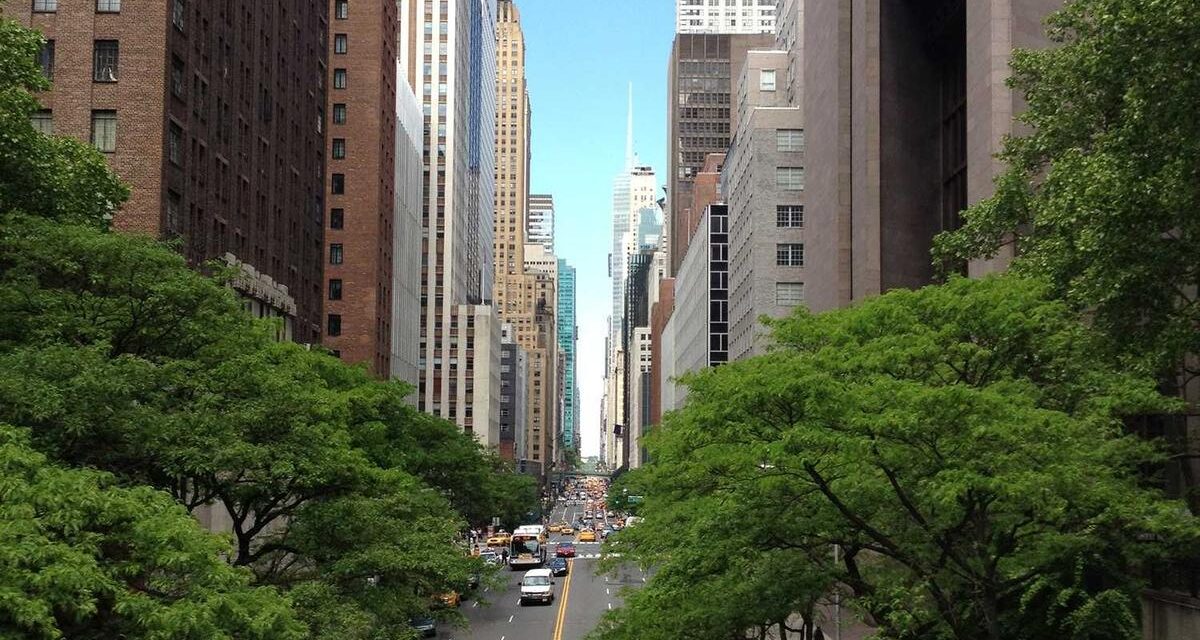
Dr. Rostova: Climate justice is incredibly relevant in urban settings, even in wealthy countries. The impacts are deeply segregated along lines of race and class. Consider the phenomenon of “urban heat islands.” Due to historical redlining and systemic underinvestment, low-income neighborhoods and communities of color often have fewer trees, less green space, and more asphalt. During heatwaves—which are becoming longer and more intense—these neighborhoods get significantly hotter than affluent, leafy suburbs. Heat is the deadliest weather-related phenomenon, and it disproportionately kills the elderly and the poor who cannot afford air conditioning.
Similarly, when flooding occurs, low-income communities are often situated in the most vulnerable flood zones because that housing was the most affordable. They also lack the financial safety nets—like comprehensive insurance or savings—to rebuild their lives after a disaster. Recovery efforts frequently favor wealthier homeowners, widening the wealth gap. Climate justice in an urban context means equitable investment in green infrastructure, subsidizing energy costs for the poor, and ensuring that disaster recovery policies actively prioritize those with the least resources.
The Rights of Future Generations
Interviewer: A unique aspect of climate change advocacy is the involvement of youth. How does the concept of human rights apply to generations that haven’t even been born yet?
Dr. Rostova: This is one of the most fascinating and urgent developments in human rights law: the principle of intergenerational equity. The decisions we make today regarding carbon emissions will define the livability of the planet for centuries. Youth activists are arguing—very effectively, in courts around the world—that governments are violating their fundamental rights to life, health, and a healthy environment by failing to take adequate climate action. They are asserting that they are inheriting a severely compromised world through no fault of their own.
We are seeing historic lawsuits where children are suing their governments for subsidizing fossil fuels or failing to meet emissions targets. These cases are pushing legal boundaries, forcing courts to recognize that human rights obligations extend forward in time. The rights of future generations demand that we transition away from short-term economic thinking and embrace long-term stewardship. It is the ultimate test of human rights: protecting the dignity of people we will never meet.
Actionable Steps Toward Climate Equity
Interviewer: For those reading this who want to support climate justice, what are the most effective actions they can take beyond just reducing their personal carbon footprint?
Dr. Rostova: Personal carbon reduction is good, but climate justice requires systemic political and economic change. First, support and amplify the voices of frontline communities—Indigenous groups, youth activists, and grassroots organizations led by people of color. They have the lived experience and often the most effective solutions, but they lack funding and platforms. Donate to these organizations and vote for politicians who explicitly incorporate environmental justice into their platforms.
Second, demand corporate accountability. The vast majority of global emissions are produced by a small number of fossil fuel corporations. Support campaigns for fossil fuel divestment, demand transparency in supply chains, and hold banks accountable for financing climate destruction. Finally, advocate for strong legal frameworks. Support initiatives that seek to make ecocide an international crime and push for national laws that legally mandate the reduction of emissions while protecting the most vulnerable workers during the transition. Climate justice is not a passive state; it requires active, relentless advocacy for human rights on a warming planet.
Leave a Comment
Your email address will not be published. Required fields are marked with *